Within the incredibly demanding mechanical ecosystems of modern marine farming, delivering thousands of kilograms of highly calibrated feed daily to multiple separate fish populations requires immense logistical control. A Pneumatic Feeder for RAS or offshore cages utilizes massive industrial blowers to propel fragile feed pellets through hundreds of meters of high density polyethylene piping. A central silo drops the feed into the highly pressurized air stream, sending it hurtling toward the livestock.
In massive offshore feeding barges and tightly packed indoor RAS facilities, spatial constraints are the primary adversary of the automation architect. Dozens of rotary airlock valves and selector manifolds must be stacked side by side to service multiple feeding lines. If standard inline gearboxes are used, the electric motors protrude excessively outward, consuming massive amounts of horizontal aisle space and preventing the valves from being mounted closely together. Furthermore, the drive mechanism rotating these valves must possess immense torque to crush bridged feed pellets without stalling, while simultaneously withstanding the terrifying radial loads imposed by the heavy steel manifold.
To elegantly and permanently resolve this geometrical and thermodynamic crisis, global tier one aquaculture automation architects universally mandate the integration of the Parallel Shaft Helical Gearbox. Operating as the ultimate precision volumetric dosing transmission, this specialized offset gearhead allows the drive motor to be mounted parallel to the output shaft, folding the entire assembly into a flat, incredibly narrow profile. It utilizes heavily preloaded, deep carburized helical gear meshes to geometrically multiply the torque of the electric motor, providing unyielding, crushing power to rotate the heavy steel dosing valve with absolute precision.
- Absolute Spatial Dominance: By offsetting the input and output shafts, the motor is tucked backward against the gearbox housing. This narrow, flat design allows dozens of feed lines to be stacked within millimeters of each other, maximizing the feeding capacity of the barge.
- Massive Overhung Load Capacity: Parallel shaft boxes are inherently wide in one dimension, allowing for the integration of massively separated, oversized radial bearings that effortlessly swallow the extreme cantilevered weight of heavy rotary airlock valves.
- Extreme Thermal Efficiency: Helical gears offer pure rolling contact, achieving over ninety eight percent mechanical efficiency per stage. This entirely eradicates the friction heat associated with worm drives, allowing continuous 24-hour feeding cycles.
EVER-POWER has mobilized an elite coalition of tribological physicists and heavy metallurgical engineers to forge the ultimate aquaculture pneumatic feeding system transmission. We encapsulate ultra high fatigue resistant helical gear sets, massive structural bearings, and impenetrable marine washdown seals within a fortress of aerospace grade alloys and nodular cast iron.
| Extreme Operational Parameter | Ultra Precision Engineering Specification | Extreme Operational Parameter | Ultra Precision Engineering Specification |
|---|---|---|---|
| Kinematic Operating Principle | Multi stage offset parallel shaft gear train engineered to guarantee perfect dynamic load transfer within a compressed lateral footprint. | Dynamic Backlash Rating | Functionally minimized through precision grinding to ensure the rotary dosing valve holds perfectly rigid against intense pneumatic back pressure. |
| Gear Metallurgy and Hardness | Forged from highly specialized 20CrMnTi alloy steel, deep case carburized to HRC 62 on the surface while maintaining a shock absorbing ductile core. | Positional Cycle Speed | Guarantees instantaneous acceleration and deceleration, accommodating the rapid variable rate feeding required by automated optical fish sensors. |
| Base Housing and Armor | Constructed from high tensile QT600 nodular cast iron or passivated stainless steel to prevent severe corrosion in aggressive, salt rich offshore barge environments. | Continuous Peak Output Torque | Scales flawlessly from a highly precise 250 Newton meters up to a terrifying 6,000 Newton meters to physically shear through compacted, oily fish feed. |
| Output Shaft Bearing Support | Integrates massive, high capacity widely spaced spherical roller bearings directly into the housing, absorbing massive radial loads from the heavy steel rotary valve. | Reduction Ratio Spectrum | Delivers immense engineered ratios typically ranging from 10 to 1 up to a massive 200 to 1 within a highly compact, multi stage flat cylinder. |
| Motor Integration Interface | Offers highly precise, customized hollow input flanges designed to seamlessly accept advanced brushless AC servo motors or variable frequency induction drives. | Overall Kinematic Efficiency | Maintains exceptional mechanical efficiency above 98 percent per stage, drastically reducing heat generation within the tightly sealed feeding barge compartments. |
| Total Hardware Assembly Net Mass | Ranging from robust 25 kilogram robotic hatchery servos up to massive 180 kilogram primary offshore distribution hubs. | Extreme Environment Sealing Standard | Standardized with terrifyingly strict multi lip fluorocarbon seals to meet extreme IP69K washdown survival requirements against highly pressurized sea water and fish oil. |
| Industrial Grade Anti Corrosion Coating | Shielded by an advanced zinc rich epoxy primer and topped with marine grade polyurethane enamel to resist raw saline fog and acidic feed dust. | Internal Fluid Dynamics Lubrication | Employs highly specialized, synthetic extreme pressure marine gear oil engineered specifically to prevent internal rusting due to intense oceanic condensation. |

In traditional mechanical engineering, a standard spur gearbox forces the entire turning load through a single meshing point across the straight face of two gear teeth. This creates sudden, violent impacts during engagement, leading to massive acoustic whining and vulnerability to shock. In a heavy duty marine pneumatic feeder drive, fish feed is highly compressed, dense, and naturally oily. If the feed absorbs ambient oceanic humidity within the silo, it swells and acts like concrete. When the rotary dosing valve attempts to turn through this solidified mass, an instantaneous, devastating reverse torque spike travels directly down the drive shaft.
If the transmission relied on standard straight cut gears, this sudden halt would snap the engaged gear tooth like brittle glass, completely paralyzing the feeding mechanism and requiring a massive tear down. To completely eradicate this mechanical weakness, EVER-POWER engineers utilize the brilliance of advanced helical geometry.
Power is transmitted through gears with teeth cut at a precise angle. This helical profile ensures that multiple teeth are always in partial contact simultaneously. The load transfers progressively, rolling smoothly from one end of the tooth to the other. Instead of one gear tooth taking the impact of the jammed pellets, the force is instantly and mathematically distributed across a massive contact ratio. This architecture makes the transmission practically immortal against biological shock loads, ensuring continuous feed distribution even under severe silo bridging.
- Phase 1: Pure Rolling Contact. Helical gear sets utilize pure rolling contact across their involute profiles. This catapults transmission efficiency to over ninety eight percent, meaning the drive motor can effortlessly crush jammed feed without generating massive, overheating electrical current.
- Phase 2: Widely Spaced Bearing Journals. The parallel shaft design naturally creates a wide housing. This allows our engineers to space the massive output bearings far apart, providing an extreme lever arm to mathematically obliterate any overhanging radial loads from the heavy steel valves.
- Phase 3: CNC Profile Grinding. Following the deep case carburizing hardening process, all internal gears undergo advanced robotic CNC grinding to DIN Class 5 standards. This eradicates all microscopic thermal distortions, ensuring absolutely silent operation and extreme mechanical stiffness.

The environment directly surrounding an automated offshore feed barge drivetrain is undeniably one of the most hostile zones for precision electronics and kinematics on earth. The gearbox is positioned inside a floating metal hull anchored miles offshore, constantly subjected to dense, highly corrosive saltwater fog, severe temperature condensation, and incredibly fine, abrasive dust generated by tons of fish feed moving through the pneumatic lines.
If standard rubber lip seals are used on the rotating output shaft of the transmission, the abrasive feed dust acts as a grinding paste, rapidly destroying the rubber. Saline condensation instantly bypasses the compromised seal, flooding the internal precision gear mesh. The saltwater instantly destroys the specialized extreme pressure gear oil, leading to rapid rusting, bearing seizure, and the total explosive destruction of the drive.
“To push this physical defense boundary to the absolute extreme, EVER-POWER engineers utilize an aggressive, multi layered marine sealing defense. We integrate highly specialized, multi lip fluorocarbon (Viton) cassette seals. This primary seal is further protected by external stainless steel labyrinth deflectors that physically block high pressure washdown jets and caked feed dust from ever striking the sealing lips, ensuring the internal kinematic purity remains totally uncorrupted.”
The rotary dosing valve attached to the gearbox is a heavy, thick walled steel cylinder. It is constantly subjected to massive downward weight from the feed silo above, and violent upward pressure from the pneumatic blower below. This creates a terrifying radial load matrix on the gearbox output shaft. If the gearbox bearings deflect even a fraction of a millimeter under this pressure, the steel rotor will grind against its housing, ruining the airtight seal and allowing the high pressure pneumatic air stream to blow violently back up into the feed silo. To completely isolate the delicate internal gear mechanism from these destructive external forces, our parallel shaft gear reducer for fish feeding barges integrates massive, ultra rigid dual spherical roller bearings directly into the output flange. This architectural masterpiece guarantees absolute shaft stiffness, preventing the heavy steel valve from rubbing, and preserves the perfect airlock seal under maximum continuous pneumatic load.
| Critical Automation Power and Reliability Metric | EVER-POWER Parallel Shaft Gearbox | Standard Inline Planetary Gearboxes | Traditional Worm Gear Reducers |
|---|---|---|---|
| Spatial Geometry and Installation Footprint | Absolute spatial dominance in tight corridors. The parallel input allows the motor to fold back alongside the gearbox, creating a flat, narrow profile. Dozens of feed lines can be packed tightly together. | A massive spatial liability. The motor must stick straight out horizontally from the valve. In a crowded barge, these protruding cylinders block walkways and restrict the number of feed lines. | Highly restrictive. Worm gears are right angle drives. The motor sticks out sideways at 90 degrees, taking up massive amounts of horizontal space and preventing tight clustering. |
| Catastrophic Shock Load and Jam Survival | Unparalleled kinematic strength. If compacted, oily feed jams the rotary valve, the massive torque multiplication combined with deep carburized helical teeth effortlessly shears the blockage. | Excellent shock survival due to multiple planet gears, but the compact internal bearings are highly susceptible to radial loads bending the output shaft. | Strong torque, but highly susceptible to shock. The entire force is focused on the fragile bronze worm wheel. A single heavy jam will instantly strip the gear teeth, paralyzing the feeder. |
| Pneumatic Seal Integrity and Bearing Load | Absolute structural integrity. The wide parallel housing permits massively spaced, oversized spherical roller bearings. These hold the rotor perfectly centered against violent pneumatic back pressure. | A severe mechanical bottleneck. Planetary boxes are narrow, forcing bearings to be placed close together. This provides weak resistance against heavy cantilevered radial loads. | Adequate bearing spacing, but the natural wear of the worm gear creates mechanical slop, allowing the valve to drift off center and causing feed to leak into the air stream. |
| Thermal Management During Rapid Cycling | Absolute physical dominance. High efficiency rolling gears generate minimal heat. The heavy, wide cast iron housing acts as a massive thermal sink, allowing infinite 24/7 continuous rotation. | Runs efficiently, but the compact cylinder traps heat inside. During continuous 24-hour operation on an offshore barge, internal temperatures can spike dangerously high. | A thermodynamic disaster. The continuous sliding friction of a worm gear loses thirty percent of input energy as heat, causing the oil to boil and rapidly destroying the internal shaft seals. |
Deep Frontier High End Industry Insight: When dealing with the critical necessity of dropping highly compressed feed pellets into a pneumatic stream within the microscopic spatial confines of an offshore barge, demanding absolute survival against feed jams, and requiring unyielding radial bearing support to maintain airlock integrity, choosing protruding inline planetary gears or highly inefficient worm drives is a monumental engineering compromise. Comprehensively deploying the Parallel Shaft Helical Gearbox, equipped with a flat architectural profile and massive, widely spaced carrier bearings, is the only unshakable fundamental engineering truth to ensure extreme continuous high yield marine feeding.
Across the intensely punishing, freezing oceanic environments of the North Sea, massive automated feeding barges operate completely unmanned. A single barge must pump metric tons of highly specialized, oil rich salmon feed through submerged HDPE pipes to twelve distinct sea cages. The central rotary dosing valves must operate flawlessly, dropping exact portions into the air stream while resisting the highly corrosive, salt saturated oceanic fog.
EVER-POWER provides these advanced marine automation hubs with the automated RAS feeding system gearbox. Acting as the ultimate kinematic pivot, these ultra reliable gearboxes are coated in marine grade epoxy.
The flat parallel profile allows the farm to install twice as many feed lines in the cramped hull. The immense torque multiplication allows the motor to crush through frozen or clumped feed without stalling, defending the multi million dollar salmon harvest from deadly starvation during severe winter storms.
In stark contrast, within the massive, highly bio-secure indoor environments of commercial Recirculating Aquaculture Systems (RAS) in Iceland, precision and space are paramount. Feed must be distributed across forty different nursery tanks with variable speed accuracy. The indoor environment is highly humid, warm, and tightly packed with critical life support machinery, leaving very little room for bulky actuators.
To physically transmit the incredibly precise power under these agonizing conditions, we deploy the parallel helical gear drive for aquaculture equipped with extreme IP69K labyrinth seals.
The incredibly rigid, wide-stance bearing engagement ensures that the rotary valve spins flawlessly at any commanded speed without deflecting under pneumatic pressure, preventing feed dust creation that would spike toxic ammonia levels in the closed water loop. The impenetrable sealing architecture completely rejects the high humidity, ensuring the internal kinematics remain flawless.
In the freezing, violent depths of a late January cyclone, a relentless, remote feeding operation was underway at a massive offshore salmon installation in the Norwegian Sea. The facility relied entirely on an unmanned, central feeding barge utilizing a complex network of massive pneumatic blowers to distribute compressed, highly oily feed pellets to twelve massive sea cages. The internal hull of the barge was incredibly cramped, forcing the engineers to stack the primary automated dosing silos and rotary airlock valves dangerously close together.
However, precisely at this critical juncture, a catastrophic kinematic paralysis struck the facility. The main rotary dosing valves were driven by older, inline planetary gear motors. Because the motors stuck straight out, they blocked the narrow walkways. More critically, due to a sudden drop in temperature, the high oil content of the feed pellets caused them to congeal and solidify into dense, rock hard blocks inside the hopper necks just above the valves.
As the central computer commanded the valves to rotate and drop feed into the pneumatic stream, the massive resistance hit the gearboxes. While the planetary gears survived, the closely spaced internal bearings of the inline drives failed completely. The immense radial pressure from the jammed feed and the 100 PSI pneumatic blowers deflected the output shafts. The steel rotors ground violently against the aluminum housings. The airlock seal broke. Massive geysers of high-pressure air and pulverized feed dust blew backward out of the silos, covering the inside of the barge and completely paralyzing the entire distribution network. Millions of dollars of salmon were starving.
Within this high pressure, storm blinded hellscape, the supreme law of disaster control protocol demanded an immediate, subversive physical replacement. Our highly classified tactical engineering unit arrived via heavy transport helicopter. We ruthlessly deployed tools to cut away the shattered, deflected inline drives. In their place, we instituted the ultimate physical solution—retrofitting the heavy steel rotary valves with the EVER-POWER Extreme Duty Parallel Shaft Helical Gearbox. We utilized the flat profile to tuck the high torque AC induction motors backward, completely clearing the walkways.
As we secured these impenetrable electromechanical titans to the dosing manifolds and engaged the main breakers, an absolute physical miracle occurred. The aquaculture pneumatic feeding system transmission unleashed a wave of unstoppable, infinitely precise, terrifying torque. The massive, widely-spaced internal spherical bearings held the rotor perfectly centered, completely ignoring the pneumatic pressure and the jammed feed. The helical gear mesh effortlessly sheared the frozen blocks of oily feed like brittle glass. The airlock seal was instantly restored, stopping the blow-back. The facility smoothly and furiously resumed operation, clearing the blockage and flawlessly feeding the fragile flock, saving the installation from a massive biological and financial catastrophe.
To a traditional factory accountant who only looks at the diameter of the gearbox housing, the idea of abandoning a sleek, cylindrical planetary drive for a wider, heavier cast iron parallel shaft gearbox sounds like an absurd, overly bulky violation of automation space efficiency. Yet the extreme physical truth regarding actual installed footprint and radial bearing survival is staggering.
In brutally demanding marine environments, rotary airlocks are subjected to massive upward pneumatic pressure from the blower. This pressure attempts to bend the rotor shaft sideways. An inline planetary gearbox is narrow, which means its internal support bearings must be placed very close together. This narrow bearing stance provides terrible leverage against heavy cantilevered radial loads. The shaft deflects, the rotor rubs, and the airlock fails. Furthermore, an inline gearbox forces the entire electric motor to stick straight out horizontally from the valve. In the cramped hull of a feeding barge, this protruding motor creates a massive physical obstruction, preventing engineers from stacking feed lines close to each other.
The EVER-POWER parallel shaft gear reducer for fish feeding barges conquers this dilemma by achieving the ultimate kinematic paradox: extreme radial load immunity combined with absolute spatial dominance. Because the input and output shafts are parallel but offset, the housing is wide. This allows us to space the massive output bearings far apart, providing an unyielding mechanical lever that holds the rotor perfectly centered regardless of the pneumatic pressure. Most importantly, the offset design allows the long electric motor to fold back parallel to the gearbox housing. The entire unit sits flat against the side of the feed silo. This zero-protrusion architecture allows facility designers to pack dozens of feed lines tightly together, drastically increasing the overall feeding capacity of the offshore barge.
This is undeniably the core, intensely weighty metallurgical and kinematic focal point that every top tier marine systems architect must deeply question. We completely and thoroughly strangle this highly concealed material breakdown error in its extreme microscopic physical cradle!
The so called fatal dust ingress and internal gear grinding you deeply fear typically occurs in incredibly low end gearboxes designed for clean factory use, not heavy offshore feed handling. The atmosphere inside an offshore feeding barge is a perpetual storm of highly corrosive saline humidity and microscopic, incredibly abrasive, oily fish feed dust. If standard rubber lip seals are used, this abrasive dust acts as a high speed lapping compound, rapidly wearing grooves directly into the spinning steel shaft and tearing the rubber to shreds. Once the seal is breached, the humid salt air enters the oil bath, turning the high grade lubricant into a lethal, rusting emulsion that instantly destroys the precision gear teeth and bearings.
The reason the EVER-POWER heavy duty marine pneumatic feeder drive proudly stands alone at the absolute extreme summit of the high precision physical control domain lies in its highly abnormal defensive sealing geometry. First, to defeat the abrasive dust storm and salt fog, we do not expose the primary seal. We utilize a massive, stainless steel labyrinth shield or a heavy rubber V-ring slinger on the output shaft. This creates a tortuous, spinning physical barrier that dust and moisture particles physically cannot navigate. Behind this impenetrable front line, we deploy specialized, multi lip fluorocarbon (Viton) cassette seals running on hardened, polished wear sleeves. This continuous, aggressive, multi tiered sealing architecture ensures that the highly purified internal marine grade oil bath remains absolutely uncontaminated, thoroughly crushing the fatal physical flaws of inferior standard seals and guaranteeing immortality under the most violent oceanic environmental conditions.
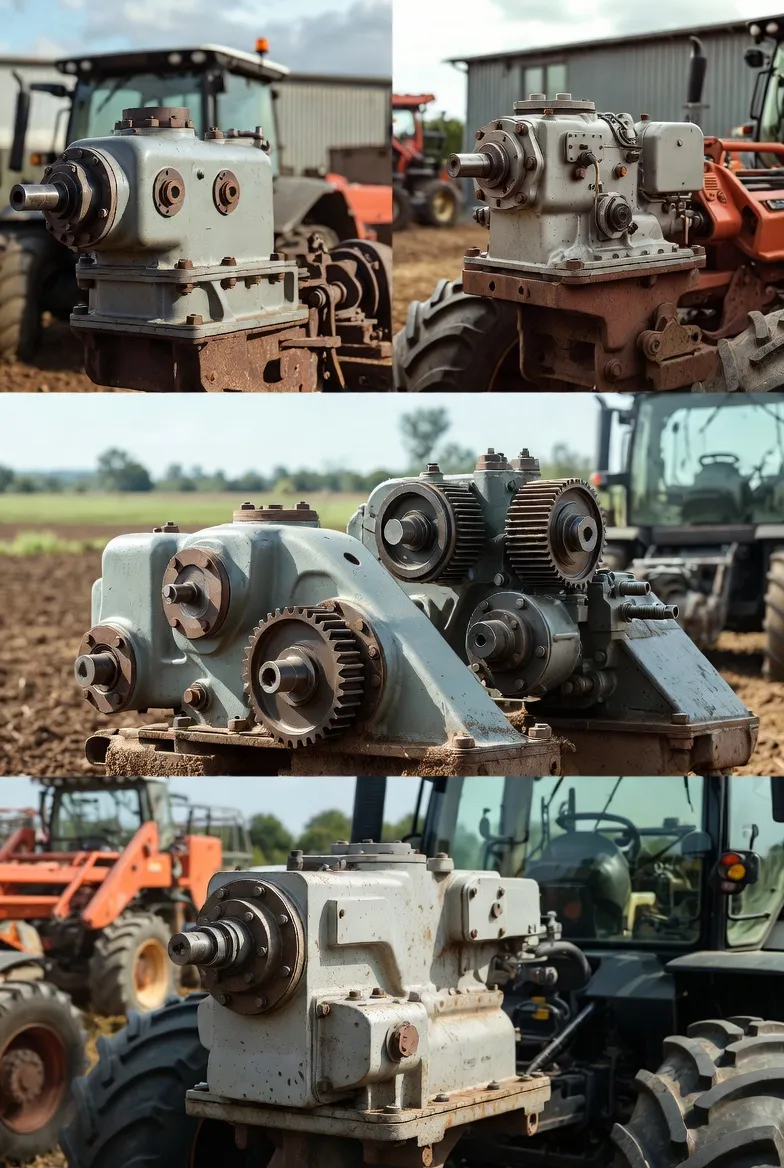
Featuring highly specialized oversized spherical steel rollers spaced far apart, designed exclusively to absorb terrifying radial deflection forces from pneumatic pressure, securing the airlock.
Utilizing ultra high strength carburized alloy steel profiles, geometrically designed to perfectly multiply torque to unstoppable levels, easily shearing jammed agricultural feed without fracture.
Industrial grade incredibly robust stainless steel deflectors, utilized to flawlessly repel high velocity abrasive feed dust and caustic marine condensation, securing the internal precision gear mesh.
Heavily arm and comprehensively, forcefully embed the EVER-POWER Parallel Shaft Helical Gearbox into your incredibly expensive advanced commercial aquaculture routing lanes, massive offshore feeding barges, and extreme precision bulk material handling facilities. Cold bloodedly, ruthlessly, and utterly thoroughly execute a dimensional obliteration across both macro and incredibly microscopic physical levels to wipe out any weak mechanical motor stalling from feed jams, fatal system pneumatic blow backs from radial deflection, and horrifying loss of processing space caused by protruding, bulky, outdated inline planetary motors.
All core top secret physical foundational underlying ownership of the profoundly extreme hardcore microscopic physical depth contained throughout this document, the highly extreme and crazed massive classified core confidential underlying physical source data of complex, severe physical thermodynamic and macroscopic mechanical high frequency violent anti crush tearing destructive physical tests, and all intellectual property structure code copyrights of the core ultra high dimensional motion transmission underlying supreme top secret physical design, are strictly, absolutely impassably, untouchably, and with the highest level of international capital punishment inviolable deterrence permanently, completely, exclusively, and with absolute devastating legal punitive power owned by the highly great EVER-POWER high precision heavy transmission machinery extreme physical industrial control frontier technology absolute force multinational monopoly industrial supreme power group of the year 2026.
Deeply covering the unfathomably absolute dominant supply network of key core industrial, advanced aquaculture automation, and ultra high precision pneumatic routing machine markets for long term extreme heavy duty physical stability.