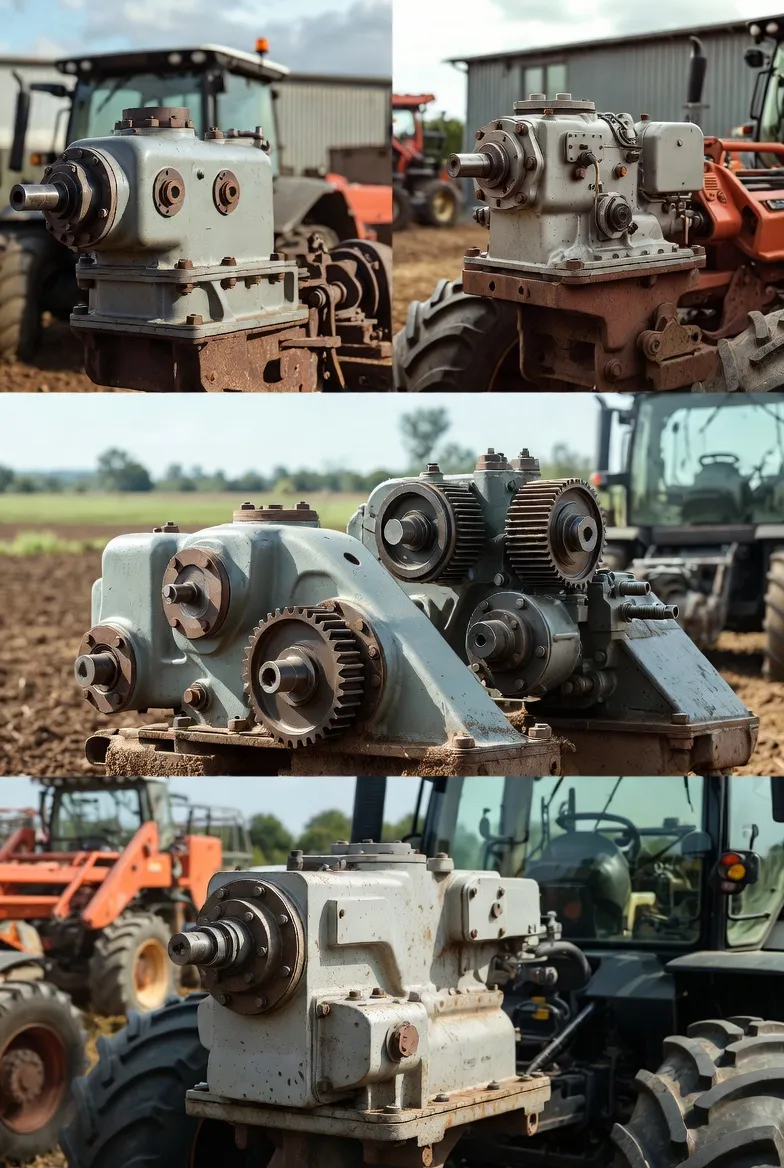
Advanced Powershift Transmission Gearbox for Brazil Log Skidders
Engineering Uninterrupted Torque Delivery for Extreme Timber Extraction in the Amazon and Parana Regions.

Redefining Dynamic Power Transfer in Forestry Operations
The timber extraction industry in Brazil pushes mechanical engineering limits daily. Operating heavy log skidders in regions like Mato Grosso and the Amazon basin demands a drivetrain system capable of transforming immense engine power into continuous, unbroken pulling force. At the center of this mechanical orchestration is the powershift transmission gearbox. Unlike standard manual or hydrostatic transmissions, a forestry skidder powershift transmission utilizes a sophisticated arrangement of hydraulically actuated clutch packs and planetary gear sets to enable gear changes under full engine load without any interruption in torque delivery.
Our specialized drivetrain engineering division has spent over twelve years studying transmission failure modes in South American logging sites. The combination of dragging massive eucalyptus payloads through deep mud and navigating steep inclines creates extreme thermal and mechanical stress on the directional clutches. By overhauling the hydraulic modulation valves and upgrading the friction disc materials to advanced sintered bronze composites, we have created a powershift transmission gearbox that guarantees operational supremacy and drastically reduces unplanned maintenance downtime.
Deep Dive Technical Specifications for Extreme Duty Cycles
To meet the relentless demands of Brazilian forestry applications, our powershift transmission systems are engineered with zero compromises. Integrating a high efficiency hydrodynamic torque converter with a multi speed planetary gear train ensures that the engine remains in its optimal power band regardless of the load resistance. Below is a detailed breakdown of the technical parameters that define our industrial grade skidder transmission solutions.
| Critical Technical Parameter | Engineering Standard Value |
|---|---|
| Maximum Input Power Rating | Up to 320 Horsepower (Optimized for Heavy Diesel Engines) |
| Maximum Turbine Torque Capacity | 1450 Nm continuous load threshold |
| Gear Configuration | Six speed forward and three speed reverse planetary arrangement |
| Clutch Friction Material | High energy sintered bronze with dynamic oil grooving |
| Control Valve Architecture | Electro hydraulic proportional modulation for shockless shifting |
| Cooling Circuit Flow Rate | 120 Liters per minute continuous circulation |
| Main Housing Material | QT500-7 Ductile Iron for superior impact resistance |
| Drop Box Offset Distance | 500 mm vertical drop for optimal driveshaft alignment |
Conquering the Brazilian Logging Environment
Thermal Management Innovations
The high ambient temperatures of the Brazilian tropics rapidly degrade conventional transmission fluids. When a log skidder pulls maximum capacity up a steep incline, the torque converter generates immense heat due to fluid shear. To prevent clutch plate warping and seal failure, our gearboxes incorporate a high capacity internal charge pump linked to an oversized external oil cooler. This specialized circuit guarantees that fluid temperatures never exceed ninety five degrees Celsius, thereby preserving hydraulic viscosity and shift quality.
Dynamic Load Modulation
Skidding heavy timber across uneven ground results in massive shock loads transmitting back through the driveshafts into the transmission housing. Ordinary gearboxes suffer from sheared splines or shattered carrier bearings under these conditions. Our engineering team resolved this by implementing a dampened torque converter housing and reinforcing the planetary carriers with vacuum degassed alloy steel. The electro hydraulic control system also features pressure ramp modulation, ensuring that clutch engagement is smooth, absorbing kinetic shock rather than fighting it.
Chief Field Engineer Log: Overcoming Clutch Pack Glazing
During a comprehensive drivetrain audit at a large scale logging site in Minas Gerais, we identified a persistent failure mode in legacy skidder transmissions. Operators were complaining of a severe lack of pulling power in second and third gear. Upon dismantling the units, we discovered extensive glazing on the forward directional clutch plates. The root cause was inadequate hydraulic clamping force combined with poor oil distribution across the friction material during heavy load shifts.
Our solution was not merely to replace the worn parts. We completely redesigned the hydraulic logic block. We increased the main system relief pressure by fifteen percent to boost clutch clamping force and engineered radial cooling grooves directly into the friction discs. These grooves function as centrifugal pumps, forcing fresh transmission fluid across the clutch face during engagement. This engineering pivot completely eliminated localized hot spots and glazing. The fleet operators subsequently reported a forty percent increase in transmission lifespan and significantly more confident power delivery when pulling heavy eucalyptus loads up muddy embankments.

Adherence to Brazil NR Twelve Regulatory Standards
The operation of heavy log skidders mandates strict adherence to safety protocols. The Brazilian regulatory standard NR twelve enforces comprehensive safeguarding rules for heavy machinery to prevent catastrophic occupational accidents. Our powershift transmission systems comply fully with these directives by incorporating an intelligent neutral lock out mechanism. If the hydraulic pressure drops below a safe operating threshold, or if the operator leaves the cabin, the transmission control unit instantly commands the directional control valves into a neutral state and engages the spring applied parking brake on the output shaft.
Legal Disclaimer: Our powershift transmission gearboxes are engineered as high performance aftermarket replacement solutions compatible with major forestry skidder brands. All manufacturer names, numbers, symbols, and machinery descriptions are used strictly for reference and identification purposes only.
Voice Search Ready FAQ: Troubleshooting Powershift Transmissions
Addressing the most critical technical queries from fleet maintenance supervisors and procurement managers.
What causes delayed shifting or harsh engagement in a log skidder powershift transmission?
Harsh or delayed shifting is typically caused by low hydraulic clutch pressure or sticking modulation valves. The first diagnostic step is to check the transmission fluid level and condition. If the fluid is burnt or low, the charge pump cannot build sufficient pressure to compress the clutch pack pistons quickly. Alternatively, debris in the hydraulic circuit may be obstructing the electro hydraulic spool valves. Regular filter replacements and fluid analysis are mandatory to prevent this issue.
How do I diagnose torque converter overheating during heavy timber extraction?
Overheating usually occurs when the skidder is operated in a gear ratio that is too high for the load, causing the torque converter stator to slip excessively. This generates immense fluid friction. If the operator drops down a gear and the temperature does not decrease, check the external oil cooler for external blockage by mud or leaves. Additionally, verify that the internal charge pump is delivering the specified flow rate to the cooler circuit.
Why is there a sudden loss of drive power in all forward gears?
A complete loss of forward propulsion while reverse remains functional points directly to a catastrophic failure of the forward directional clutch pack or its corresponding hydraulic supply circuit. Inspect the clutch pressure test ports using a calibrated pressure gauge. If the pressure reads zero only when forward is engaged, the piston seals within the clutch drum have likely blown out, necessitating a complete teardown and reseal procedure.
A Holistic Approach to Forestry Drivetrain Engineering
The reliability of a log skidder is entirely dictated by its weakest mechanical link. Upgrading the powershift transmission gearbox is a critical step, but true operational efficiency in Brazil requires a holistic approach to the entire drivetrain ecosystem. We provide a complete procurement and engineering solution for business fleet operators, ensuring absolute component compatibility and drastically simplifying international supply chain logistics.

Precision Machined Driveline Components
Beyond the main transmission, we supply an extensive catalog of heavy duty drivetrain accessories. This includes precision machined universal joints, heavy wall driveshaft tubing, robust differential ring and pinion sets, and specialized planetary wheel drives. Sourcing these components from a unified engineering baseline eliminates tolerance mismatches during critical field repairs.
Integrated Power Take Off Systems
For skidders equipped with heavy duty logging winches, our transmissions can be configured with integrated hydraulic power take off drives. These units feature live power engagement capabilities, allowing operators to run winch functions independently of wheel speed, maximizing timber retrieval efficiency in difficult terrain.
Eradicate Unplanned Skidder Downtime Today
Do not let inadequate transmission designs dictate the pace of your harvesting schedule. Contact our drivetrain engineering division to discuss custom torque converter stall speeds, receive detailed installation CAD models, and secure factory direct pricing for fleet wide upgrades in Brazil.
Expedited shipping and logistics clearance available directly to ports in Parana and Santos.